

Case Study: Welding the Future with AI and Developer Efficiency
Intelligent welding, built for flexible manufacturing.
Client
Path Robotics
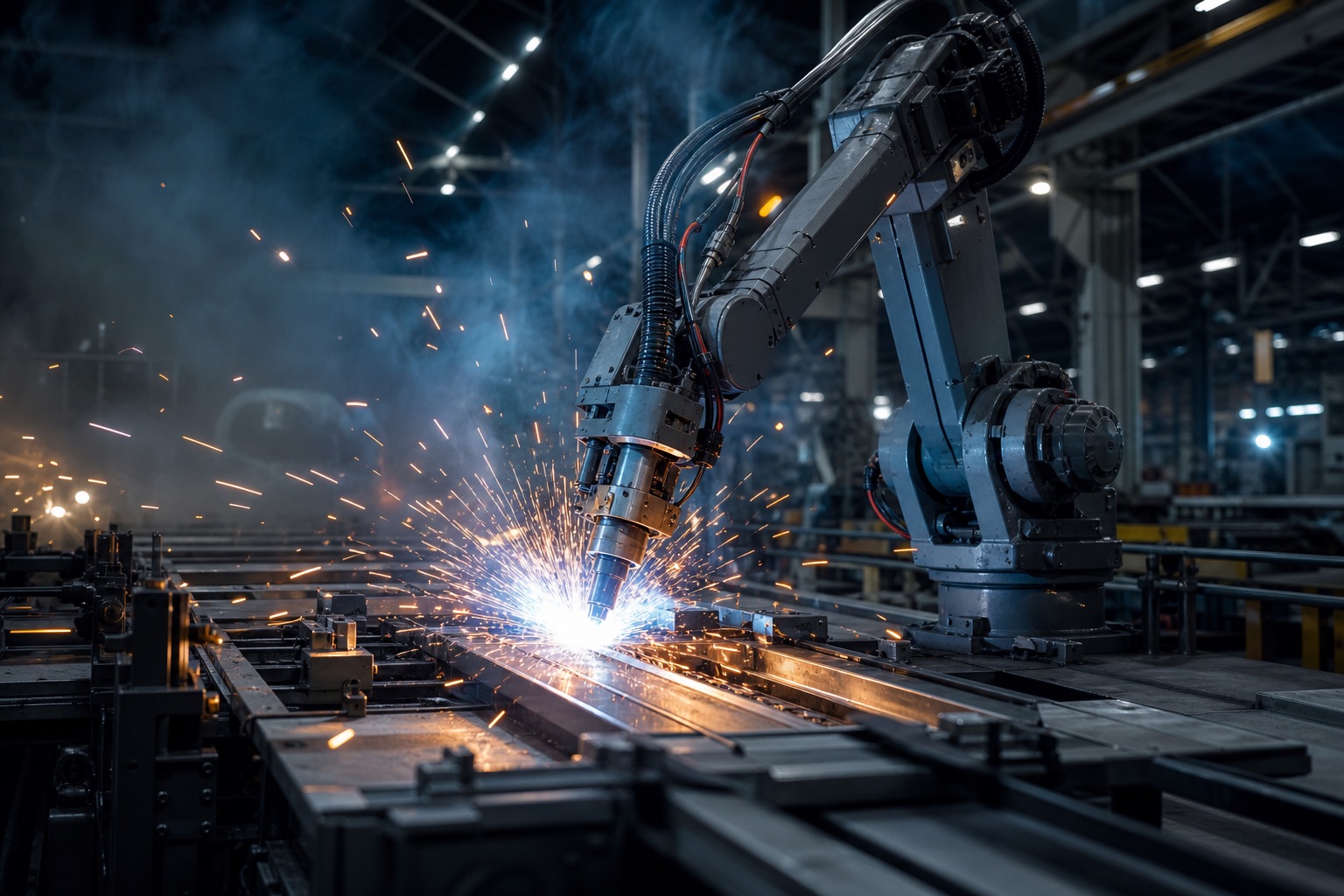
Path Robotics is leading the way in robotic innovation—building intelligent systems that make manufacturing more flexible and scalable. Their vision centers on autonomous welding powered by AI, reducing dependence on scarce skilled labor while improving consistency and throughput on the factory floor.
As Path Robotics accelerated product development, they needed a partner who could help on two fronts: advancing their AI-driven welding capabilities and fixing developer workflows that had become a bottleneck to shipping innovation.
"We needed to move faster without sacrificing quality—both on the factory floor and in how our engineering teams build and ship software."
The Challenge
Manufacturing agility meets engineering velocity
Path Robotics was focused on making intelligent robots that could adapt to real-world manufacturing environments. But reliance on skilled welders and robot programmers limited how quickly they could scale deployments and iterate on new capabilities.
- Skilled labor constraints. Traditional welding operations depend on expertise that is difficult to hire, train, and scale across facilities.
- Inefficient developer workflows. Setup friction, inconsistent environments, and slow CI cycles slowed the teams building the platform behind the robots.
- Data underutilized. Rich manufacturing data existed, but processes were not optimized to turn that data into continuous improvement.
Path Robotics partnered with augustwenty to tackle both the product vision and the engineering systems supporting it—introducing AI-driven intelligent welding while modernizing how software gets built, tested, and delivered.
Our Approach
AI on the floor, efficiency in the pipeline
We worked alongside Path Robotics engineers to understand welding workflows, training data needs, and the constraints of production environments—then aligned platform improvements with pragmatic delivery milestones.
In parallel, we helped reshape developer workflows by introducing standardized environments and a more reliable CI pipeline, so engineering teams could spend less time fighting tooling and more time shipping product.
On the robotics side, the partnership advanced AI-driven intelligent welding systems designed to reduce dependence on skilled welders and specialized robot programmers—enabling more flexible, repeatable manufacturing outcomes.
On the engineering side, Path Robotics transitioned to Buildkite for continuous integration and Docker for standardized development environments. Together, those changes cut setup time, reduced cost, and accelerated development cycles across teams.
Implementation
From concept to production-ready systems
Intelligent welding capabilities were developed iteratively with close feedback from Path Robotics domain experts—balancing model performance, safety, and deployability in real manufacturing settings.
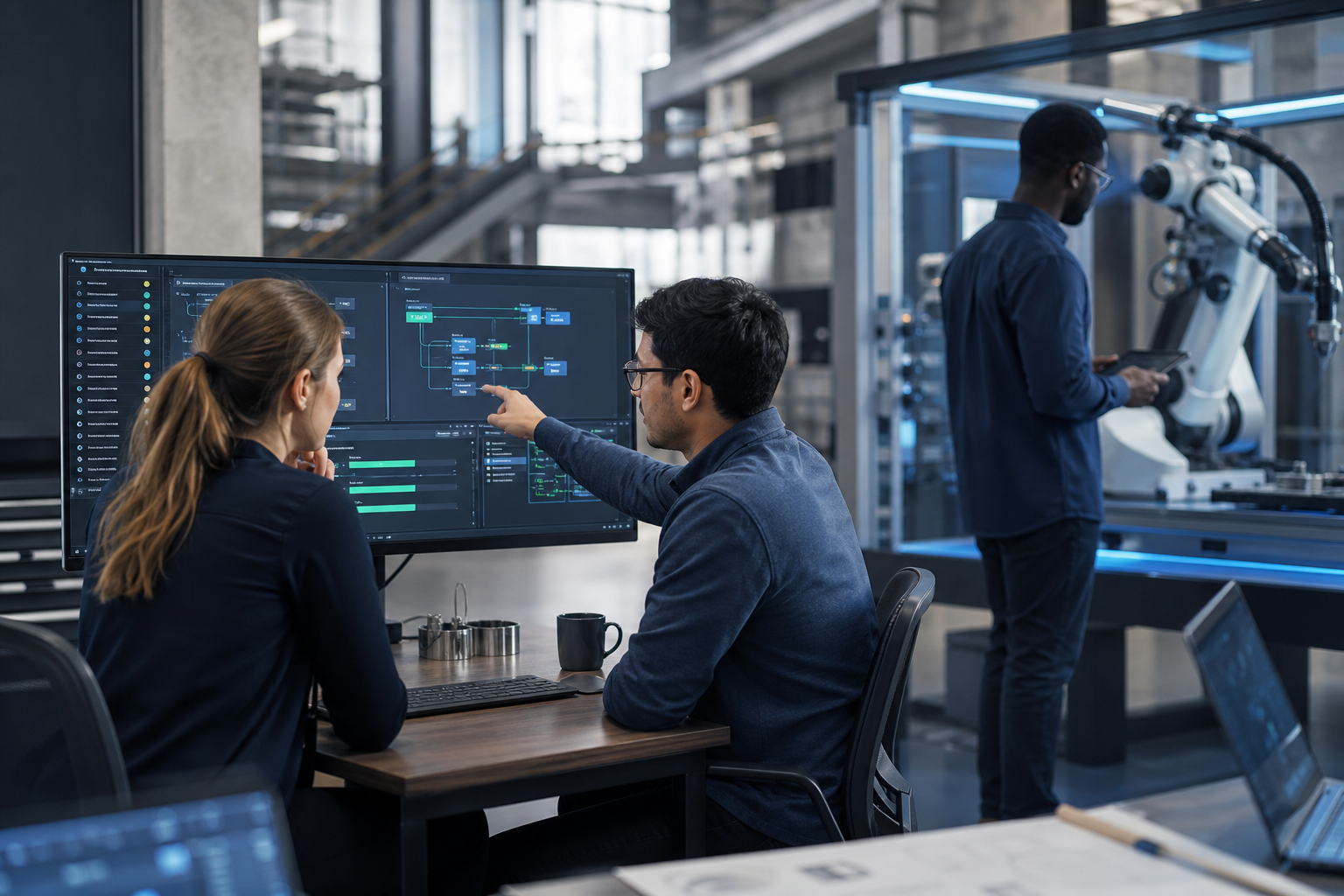
Buildkite and Docker were rolled out to standardize how teams build, test, and release software—creating repeatable pipelines and environments that scale with headcount and product complexity.
Technologies and practices
AI & robotics
Machine learning and intelligent control systems for autonomous welding in flexible manufacturing environments.
Continuous integration
Buildkite pipelines for faster, more reliable builds and clearer feedback across engineering teams.
Containerized environments
Docker for consistent local and CI environments, reducing setup friction and environment drift.
Manufacturing data
Improved processes to capture and use operational data for optimization and product iteration.
Results
Welding the future of manufacturing
Increased scalability
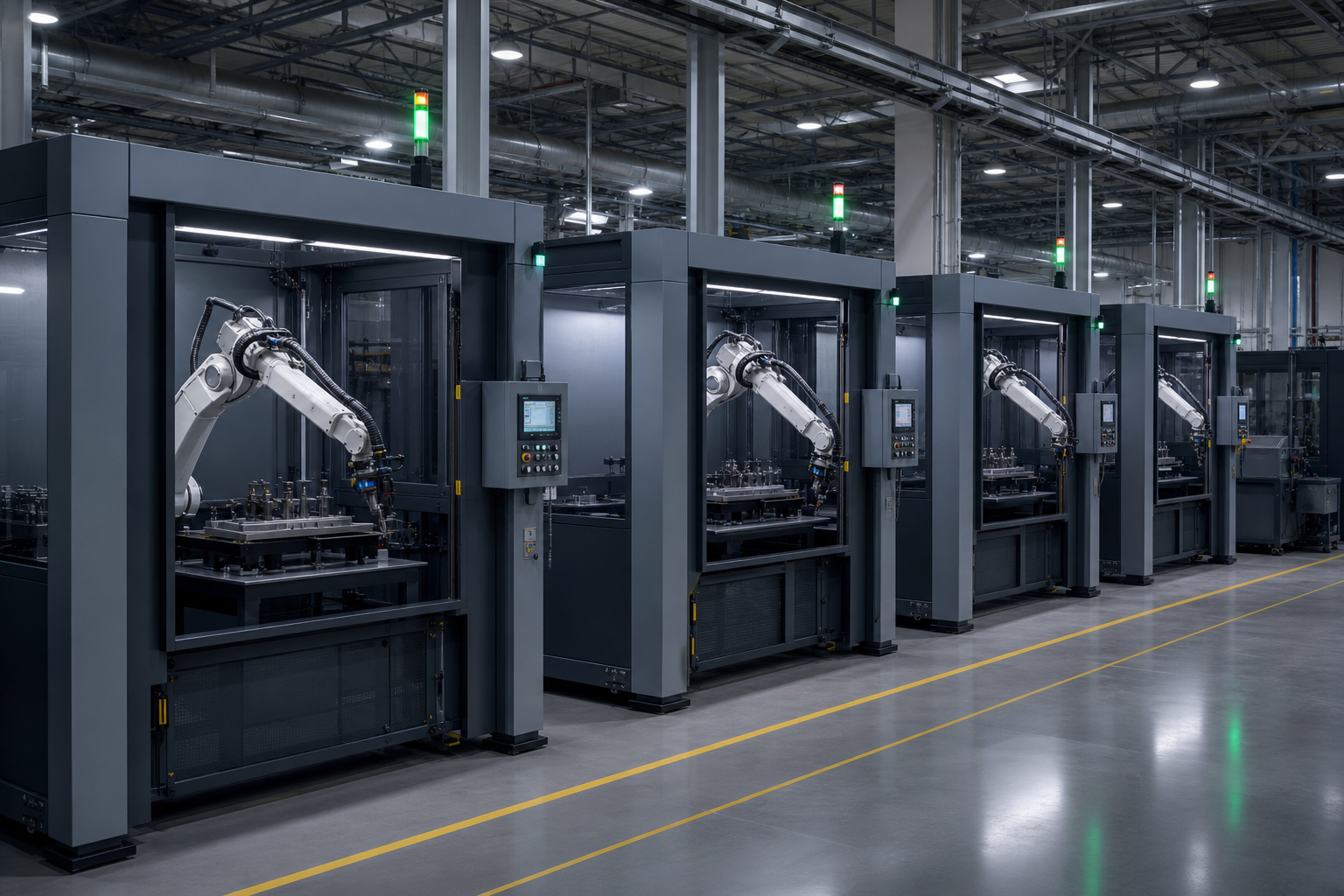
AI-powered welding robots reduced reliance on skilled labor, enabling Path Robotics to scale deployments with greater flexibility.
Developer efficiency
Buildkite and Docker streamlined workflows—reducing setup time, lowering costs, and accelerating development cycles.
CI/CD
Buildkite
Docker · Standardized envs
Enhanced data management
Streamlined data processes enabled better use of manufacturing data for optimization and continuous improvement.
Operations
Data · Feedback loops
Insights that drive iteration.
Manufacturing innovation
Path Robotics and augustwenty advanced autonomous welding powered by AI—reshaping what's possible on the modern factory floor.
- AI-driven intelligent welding
- Reduced skilled-labor dependency
- Faster engineering delivery cycles
- Foundation for ongoing robotics innovation